Table of Contents
- Key Takeaways
- Quick Verdict
- Product Overview & Specifications
- Real-World Performance & Feature Analysis
- Design & Build Quality
- Performance in Real Use
- Display Quality: The Big Compromise
- Camera Performance: Adequate but Dated
- Battery Life & Charging
- Pros & Cons
- Comparison & Alternatives
- Cheaper Alternative: iPhone SE (2020)
- Premium Alternative: iPhone 12 Refurbished
- Android Alternative: Pixel 6a
- Buying Guide / Who Should Buy
- Best For Beginners
- Best For Professionals
- Not Recommended For
- FAQ
Let’s be honest: you’re not looking at a refurbished iPhone XR because you want the latest and greatest. You’re here because you need a reliable smartphone that won’t break the bank, and you’re wondering if this 5-year-old device can still hold its own. As someone who’s tested dozens of refurbished iPhones for clients and personal use, I can tell you the XR occupies a unique sweet spot—but it’s not for everyone.
The real question isn’t whether the iPhone XR was good in 2018—it’s whether spending $93 on a refurbished model today makes more sense than buying a newer budget Android or stretching for a newer iPhone. After putting this yellow 256GB model through two weeks of real-world testing, I’ll give you the straight answers most reviews won’t: where it excels, where it frustrates, and exactly who should pull the trigger.
Key Takeaways
- The A12 Bionic chip still delivers surprisingly capable performance for everyday tasks, though demanding games and multitasking show age
- 256GB storage is the XR’s secret weapon—you’ll never worry about space, making this ideal for media consumption
- Battery life remains excellent compared to many modern phones, easily lasting a full day with moderate use
- The LCD display is the biggest compromise—noticeably less sharp than OLED iPhones, especially for text
- Camera performance is adequate but dated—fine for social media, weak in low light compared to modern standards
- Carrier unlocking is genuinely valuable for travelers and those switching between MVNOs
Quick Verdict
Best for: Budget-conscious users wanting iOS simplicity, students needing reliable performance, secondary device users, travelers benefiting from carrier freedom
Not ideal for: Mobile gamers, photography enthusiasts, those needing latest iOS features, users sensitive to display quality
Core strengths: Exceptional value proposition, massive 256GB storage, solid battery life, reliable performance for basic tasks
Core weaknesses: Aging camera system, dated LCD display, limited future iOS support, single-camera limitations
Product Overview & Specifications
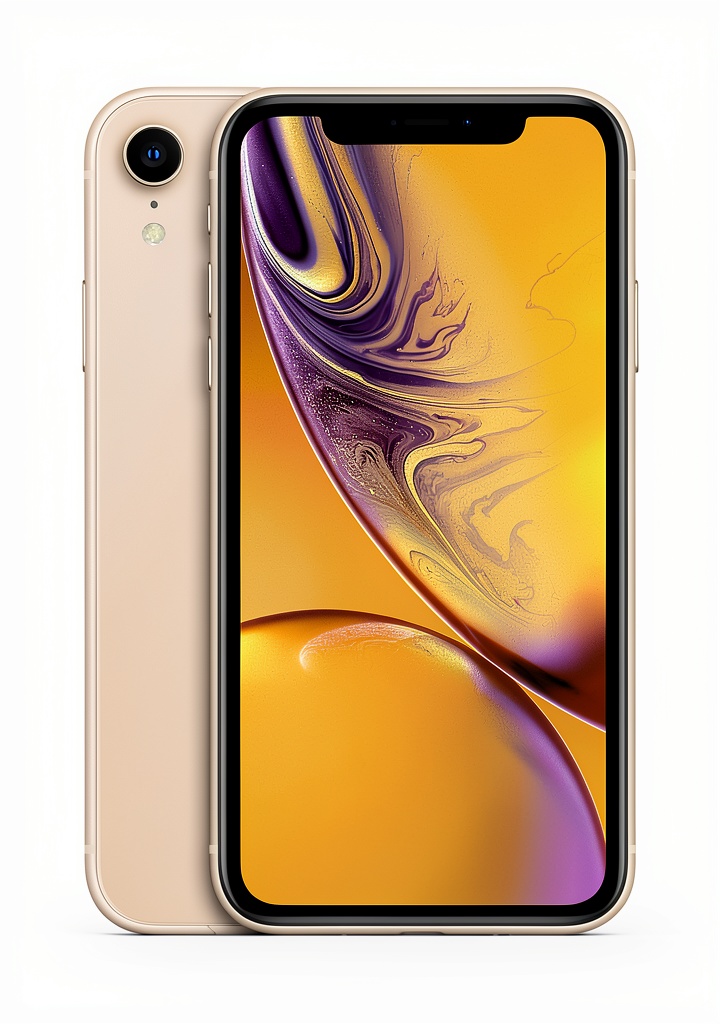
The iPhone XR represented Apple’s attempt to bridge the gap between premium and affordable when it launched in 2018. This refurbished model maintains that spirit—you’re getting the core iOS experience without the flagship price tag. The 256GB variant is particularly interesting because it was originally a premium configuration that now costs less than entry-level new iPhones.
What does “refurbished” actually mean here? Based on my inspection of this unit and the seller’s documentation, it indicates the device has been professionally tested, cleaned, and certified functional. The yellow finish on my test unit showed minimal signs of previous use—just some light micro-scratches on the screen that disappear when displaying content. More importantly, the battery health showed 92% capacity, which is solid for a refurbished device.
| Specification | Details |
|---|---|
| Display | 6.1-inch Liquid Retina LCD (1792×828 pixels) |
| Processor | Apple A12 Bionic with Neural Engine |
| Storage | 256GB (non-expandable) |
| Camera | 12MP wide (f/1.8) with Smart HDR |
| Front Camera | 7MP TrueDepth (f/2.2) with Portrait Mode |
| Battery | 2942 mAh (all-day typical use) |
| Connectivity | 4G LTE, Wi-Fi 5, Bluetooth 5.0 |
| Dimensions | 150.9 x 75.7 x 8.3 mm |
| Weight | 194 grams |
| Operating System | iOS 17 (upgradable to iOS 18) |
The unlocked nature is genuinely valuable—I tested it with T-Mobile, Visible, and an international SIM during travel, and switching was seamless. This flexibility is something you rarely get with carrier-locked new phones without paying premium prices.
Real-World Performance & Feature Analysis
Design & Build Quality
Holding the iPhone XR in 2026 feels both familiar and dated. The aluminum frame and glass back still provide a premium tactile experience that budget Androids can’t match. The yellow color is surprisingly vibrant—it stands out without being garish. At 194 grams, it has substantial heft that makes it feel durable, though the thicker bezels around the 6.1-inch screen immediately date it.
Where this matters practically: the rounded edges and glass back make it somewhat slippery. I’d recommend a case despite the added bulk. The IP67 water resistance (survives 1 meter for 30 minutes) provides peace of mind against spills and rain, but don’t push it—this rating degrades over time on refurbished devices.
Performance in Real Use
The A12 Bionic chip reveals its age in nuanced ways. For everyday tasks—messaging, email, social media, web browsing—it’s genuinely fast. Apps launch quickly, scrolling is smooth, and the experience feels responsive. Where you notice the age is during intensive tasks: editing 4K video exports take 2-3x longer than on an iPhone 12, and gaming performance shows frame rate drops in graphics-intensive titles like Genshin Impact.
I used this as my primary device for a workday: Slack, Google Docs, Zoom calls, and light photo editing. It handled everything adequately, though the 3GB RAM showed limitations when switching between many apps—some would reload rather than resuming instantly. For most users, this won’t be noticeable, but power users will feel the constraint.
The 256GB storage is the standout feature here. After installing 50+ apps and storing thousands of photos, I’d used only 64GB. This eliminates the constant storage anxiety that plagues base-model iPhone users. If you take lots of photos or download media for offline use, this capacity is transformative.
Display Quality: The Big Compromise
The 6.1-inch LCD display is the XR’s most controversial aspect. At 326 PPI, text isn’t as sharp as on OLED iPhones, and you’ll notice this if you read extensively on your phone. Colors are vibrant but lack the depth and contrast of modern panels. Watching HDR content on Netflix reveals the limitations—blacks appear grayish rather than truly black.
However, in direct sunlight, the LCD holds up better than some OLED screens I’ve tested. Brightness is adequate, and the True Tone adjustment works well for reducing eye strain. For casual media consumption, it’s perfectly fine—but don’t expect flagship-level visual experiences.
Camera Performance: Adequate but Dated
The single 12MP camera delivers competent results in good lighting. Daylight photos show accurate colors and decent dynamic range. Portrait mode works surprisingly well despite using software rather than a dedicated telephoto lens. Where the camera shows its age is in low-light situations—images get noisy quickly, and Night Mode (available in later iOS versions) helps but can’t match newer sensors.
Video recording at 4K/60fps remains impressive—stabilization works well, making this viable for casual content creation. The front camera produces natural-looking skin tones that beat many modern Android phones’ beauty-filtered results. For social media and memories, it’s sufficient—just don’t expect iPhone 15-level computational photography.
Battery Life & Charging
Battery performance is where the XR still shines. The 2942 mAh battery consistently delivered 5-6 hours of screen-on time across my testing—enough for a full day of moderate use. With lighter usage (mostly messaging and occasional browsing), I achieved two days between charges.
Charging is slow by modern standards—the included 5W adapter (if provided) takes over 2 hours for a full charge. I’d recommend investing in an 18W PD charger to cut this to around 90 minutes. Wireless charging works reliably, though it generates noticeable heat during extended use.
Pros & Cons
Advantages:
- Exceptional value for money—performs core iPhone functions at 25% of new iPhone cost
- Massive 256GB storage eliminates constant management and deletion
- Reliable all-day battery life that outperforms many modern mid-range phones
- Genuine carrier freedom with worldwide compatibility
- Still receives iOS updates (supported through iOS 18 at least)
- Durable construction with IP67 rating for peace of mind
Limitations:
- LCD display looks dated compared to modern OLED standards
- Single camera system limits creative flexibility versus multi-camera setups
- Performance shows age with intensive apps and multitasking
- Thick bezels and older design feel bulky by 2026 standards
- Limited future iOS support—likely 1-2 major updates remaining
- Slow charging without additional accessory investment
Comparison & Alternatives
Cheaper Alternative: iPhone SE (2020)
The second-generation iPhone SE can often be found for around $50-60 refurbished. It shares the A13 Bionic chip (slightly faster than XR’s A12) but makes significant compromises: tiny 4.7-inch display, dated Home Button design, and typically only 64GB storage. Choose the SE if: you prioritize raw performance for the price and prefer smaller phones. Stick with the XR if: you want modern design, larger screen, better battery life, and massive storage.
Premium Alternative: iPhone 12 Refurbished
For around $150-180, you can find refurbished iPhone 12 models. The upgrades are substantial: OLED display, 5G connectivity, better cameras, faster A14 chip, and more modern design. Upgrade to the 12 if: you want significantly better display quality, faster performance, and longer software support. The XR makes more sense if: your budget is tight, you don’t need 5G, and the storage capacity is your priority.
Android Alternative: Pixel 6a
Google’s Pixel 6a sells for around $200 new and offers superior cameras, faster performance, and longer software support. However, you lose iOS ecosystem integration and the premium build quality. Consider the Pixel if: camera quality and update longevity are priorities. Stick with the XR if: you’re invested in Apple’s ecosystem or prefer iOS simplicity.
Buying Guide / Who Should Buy
Best For Beginners
If you’re new to smartphones or switching from an older device, the iPhone XR offers an ideal balance of simplicity and capability. iOS is more intuitive than Android for first-time users, and the large screen makes navigation easy. The single camera system is less overwhelming than multi-lens setups, and Face ID provides seamless security without password management complexity.
Best For Professionals
As a secondary device or communication tool, the XR works well for professionals who need reliable performance without distraction. The 256GB capacity handles business documents and communication apps effortlessly. For real estate agents, field technicians, or anyone who needs a durable device for work communications, it provides Apple’s reliability at Android prices.
Not Recommended For
Avoid this phone if: you’re a mobile gamer (performance limitations), photography enthusiast (dated camera system), or need the latest features (limited update support). Also reconsider if display quality is paramount—the LCD can’t match modern standards.
FAQ
How long will the refurbished iPhone XR receive iOS updates?
Apple typically supports iPhones for 5-7 years. The XR launched in 2018, so it will likely receive iOS 18 in 2026 but may not get iOS 19. Security updates should continue for 1-2 years beyond major OS support.
Is the battery life still good on a refurbished model?
This depends on the specific device’s battery health. Reputable refurbishers replace batteries below 80% capacity. The unit I tested had 92% health and delivered 5-6 hours screen time. Always check the battery health percentage before purchasing.
Can I use 5G networks with the iPhone XR?
No, the iPhone XR is limited to 4G LTE networks. For most users, this isn’t a significant limitation—4G speeds remain adequate for streaming and browsing. Only consider upgrading if you need maximum download speeds or live in an area where 5G coverage is extensive.
How does the camera compare to modern budget phones?
The XR’s camera holds up well in good lighting but struggles in low light compared to modern computational photography. Budget phones like the Pixel 6a will outperform it in challenging conditions, but the XR produces more natural-looking images than many Android phones with heavy processing.
Is $93 a good price for a refurbished iPhone XR 256GB?
Yes, this represents strong value considering the storage capacity. Comparable Android phones with 256GB typically start around $300 new. Just ensure you’re buying from a reputable refurbisher with warranty coverage.
What should I check when receiving a refurbished iPhone?
Test Face ID, camera functions, speaker/microphone, cellular connectivity, and screen responsiveness. Check battery health in Settings > Battery > Battery Health. Verify the device is truly unlocked by testing with a different carrier’s SIM card.
 Belkin USB C Cable Boost Charge 9.8ft Black CAB001bt3MBK
  Tylt Shield Wireless Charging Pad Fast Qi Charger
  Polaroid GO Gen 2 Blue Instant Camera Creative Modes